
How to Build a Wholesale Jewelry Test Order for Your Boutique
A small boutique’s first jewelry order should be a controlled test, not a guess about future bestsellers. Starting with different styles in small quantities allows you to learn what customers actually want before investing more money in inventory.
A wholesale jewelry test order is a small mixed order used to compare product categories, designs, finishes and price points. Choose products for one clear customer group, order only a limited quantity of each style, track interest and sales, and reorder only the products that show real demand.
This guide explains how to plan the test, choose suitable products and use the results to make better wholesale buying decisions.
If you are still learning about materials, minimum orders, shipping costs and the general buying process, read our guide to buying wholesale stainless steel jewelry for a small boutique.
What Is a Wholesale Jewelry Test Order?
A wholesale jewelry test order is a small first order containing several different products. Its purpose is to collect customer and sales information before the retailer purchases larger quantities.
Instead of ordering many pieces of one untested design, a boutique can start with a wider selection and a lower quantity of each style.
A test order can help answer questions such as:
• Do customers prefer earrings, rings, bracelets or necklaces?
• Are simple designs more popular than statement jewelry?
• Which colors and finishes receive the most interest?
• Which price points produce completed orders?
• Which products should be reordered?
• Which styles should be replaced?
• Are customers requesting options that are not currently available?
The goal is not to predict every future bestseller. The goal is to reduce uncertainty and make the next order using real customer behavior.
Why Should a Boutique Test Jewelry Before Buying More?
Reduce Unsold Inventory
A product may look attractive in photographs but still perform poorly with your customers.
Customer age, location, personal style, spending level and shopping channel can all affect demand. A style that works for one retailer may not work for another.
Testing a small quantity limits the amount of money tied up in products that have no sales history.
Learn What Your Customers Actually Want
Store owners sometimes choose products according to their own taste. However, the owner’s favorite design is not always the product customers will purchase.
A test order allows customers to show their preferences through:
• Product page visits
• Customer questions
• Add-to-cart activity
• Completed sales
• Requests for other colors or sizes
• Repeat purchase requests
Protect Your Reorder Budget
Do not spend the entire inventory budget on the first order.
Keeping part of the budget available allows you to reorder successful products. This is especially important when a product sells faster than expected or a customer asks for several similar designs.
Compare Different Product Types
A mixed order can help you compare earrings, rings, bracelets, pendants and chains.
It can also show whether customers prefer:
• Steel, gold or black finishes
• Classic or fashion-focused designs
• Minimalist or statement jewelry
• Everyday or gift-oriented products
• Men’s, women’s or unisex styles
How to Build a Wholesale Jewelry Test Order
1. Define One Target Customer
Begin by describing the customer you want to serve.
Consider:
• Approximate age
• Men’s, women’s or unisex jewelry
• Preferred design style
• Expected retail price
• Everyday use or gift purchases
• Popular colors and finishes
• Online or physical store shopping
For example, a women’s fashion boutique may test different products from a store focused on men’s accessories.
Do not combine completely unrelated products simply because you personally like them. A focused product group produces clearer test results.
2. Set a Safe Product Budget
Decide how much you can comfortably spend without depending on immediate sales to pay other business expenses.
Keep product cost separate from:
• International shipping
• Import duties
• Local taxes
• Payment fees
• Packaging
• Domestic delivery to the final customer
These additional expenses affect the final landed cost and planned retail price.
Your test budget should also leave enough money for restocking. Finding a successful product is less useful if there is no available budget to reorder it.
3. Choose Several Product Categories
A useful first order normally includes more than one product category.
Depending on your target customer, you may test:
• Earrings
• Rings
• Bracelets
• Chains
• Pendants
• Necklaces
• Anklets
You do not need to test every category at the same time. Choose two to four categories that make sense for the same customer group.
You can explore the complete wholesale stainless steel jewelry collection when comparing possible categories.
4. Give Every Product a Role
Each product in the order should have a reason for being included.
Possible product roles include:
• An everyday basic
• A simple minimalist design
• A stronger statement piece
• A symbolic or meaningful design
• A gift-oriented product
• A colorful fashion style
• A lower-priced add-on product
• A product for a specific customer niche
Giving each product a role makes the final results easier to understand.
For example, if a statement necklace performs better than a simple necklace, this may show that your customers want products with stronger visual impact.
5. Test Meaningful Differences
Select products that are different enough to produce useful information.
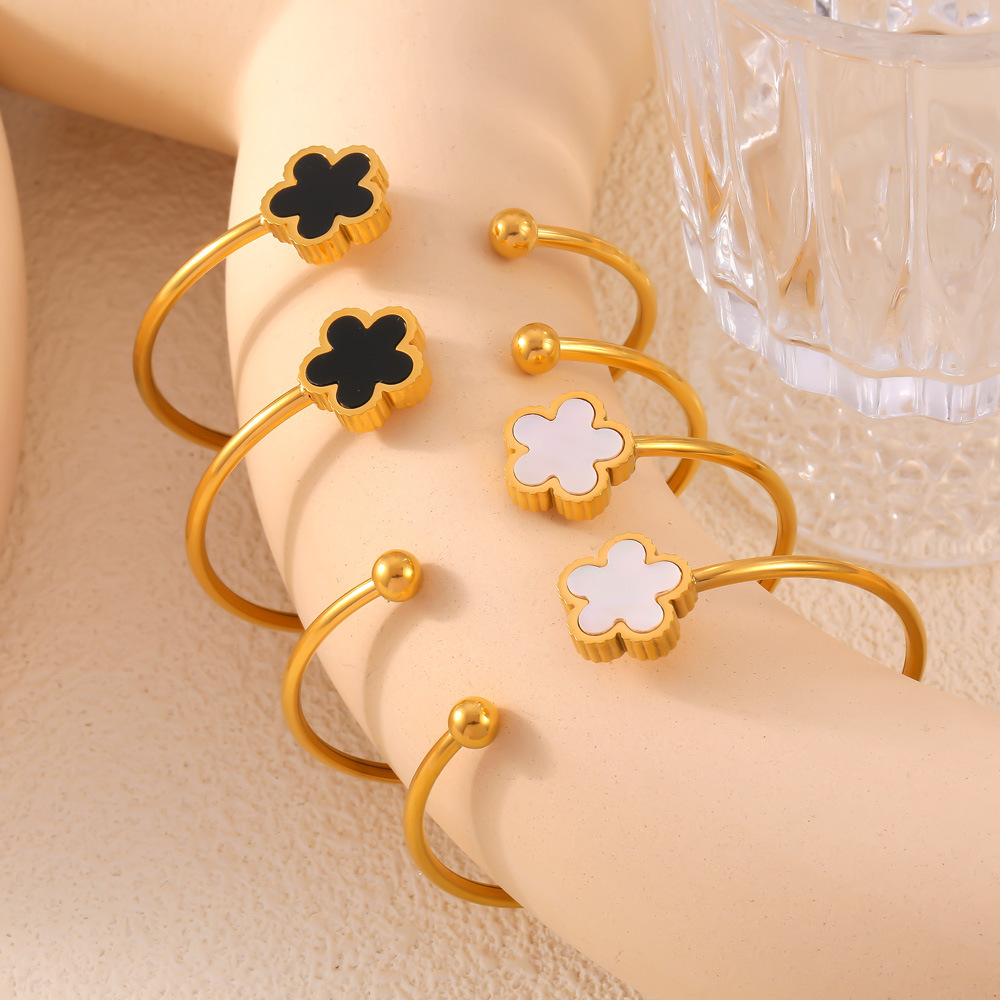
You can compare:
• Different product categories
• Classic and modern designs
• Simple and detailed styles
• Neutral and colorful finishes
• Everyday and statement pieces
• Different retail price ranges
• Men’s and unisex styles
• Pendant-only and complete-necklace options
Avoid filling the order with many nearly identical designs. If every product looks the same, you will learn very little from the test.
6. Start With Shallow Quantities
For an untested product, begin with a low quantity whenever the supplier’s ordering terms allow it.
This approach is sometimes called buying “wide and shallow”:
• Wide means testing more than one style.
• Shallow means ordering only a small quantity of each untested style.
After a product shows repeated demand, the quantity can be increased gradually.
Do not place a large reorder after only one sale. One purchase may be an isolated event rather than evidence of repeat demand.
7. Check the Price Unit and Options
Before adding a product to the order, confirm what the displayed price includes.
Check whether the price is for:
• One piece or one pair
• One pendant without a chain
• A complete necklace
• One selected color
• One selected size
• A particular style option
Some colors, sizes and chain options may have different prices. Select the required options and check the final product price before completing the order.
8. Check Current Availability
Some colors, sizes and styles may sell out earlier than others. Availability can change before the order is processed.
If a particular option is important, prepare one or two alternatives. This reduces the chance that one unavailable option delays the entire product test.
Example: Test Order for a Women’s Fashion Boutique
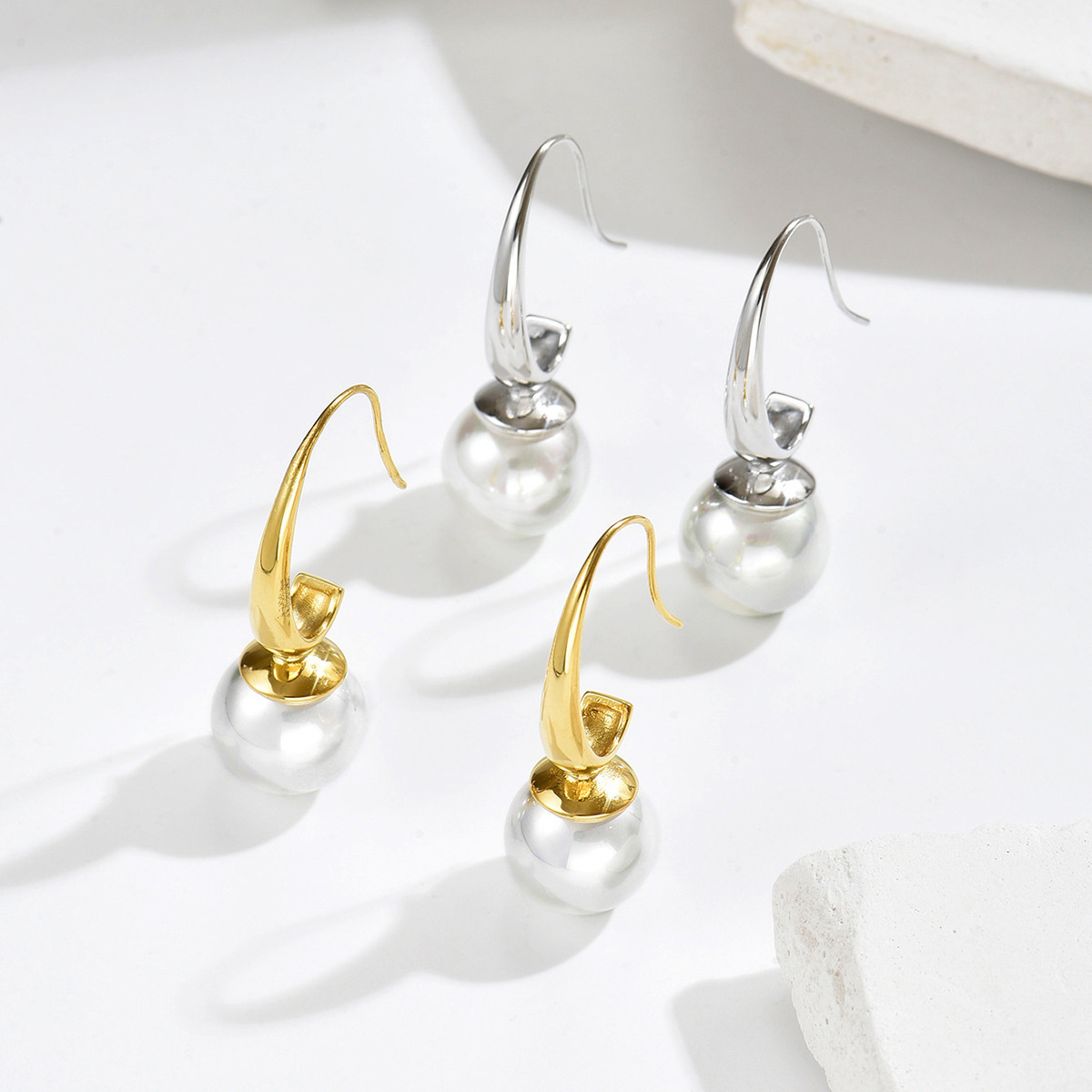
A women’s fashion boutique could compare classic, minimalist and colorful products.
Possible test products include:
• Stainless Steel French Hook Pearl Earrings for testing demand for classic pearl jewelry
• Stainless Steel Open Bangle for testing a simple minimalist bracelet
• Stainless Steel Teardrop Pendant Necklaces for testing colorful fashion necklaces
The retailer could add other earrings, rings or bracelets aimed at the same customer group.
This test could help answer:
• Do customers prefer classic or colorful jewelry?
• Are minimalist products easier to sell?
• Which category receives the most attention?
• Which type of product supports the best retail margin?
These products are examples, not a required buying list. The final selection should match the boutique’s own target customer.
Example: Test Order for a Men’s or Unisex Store
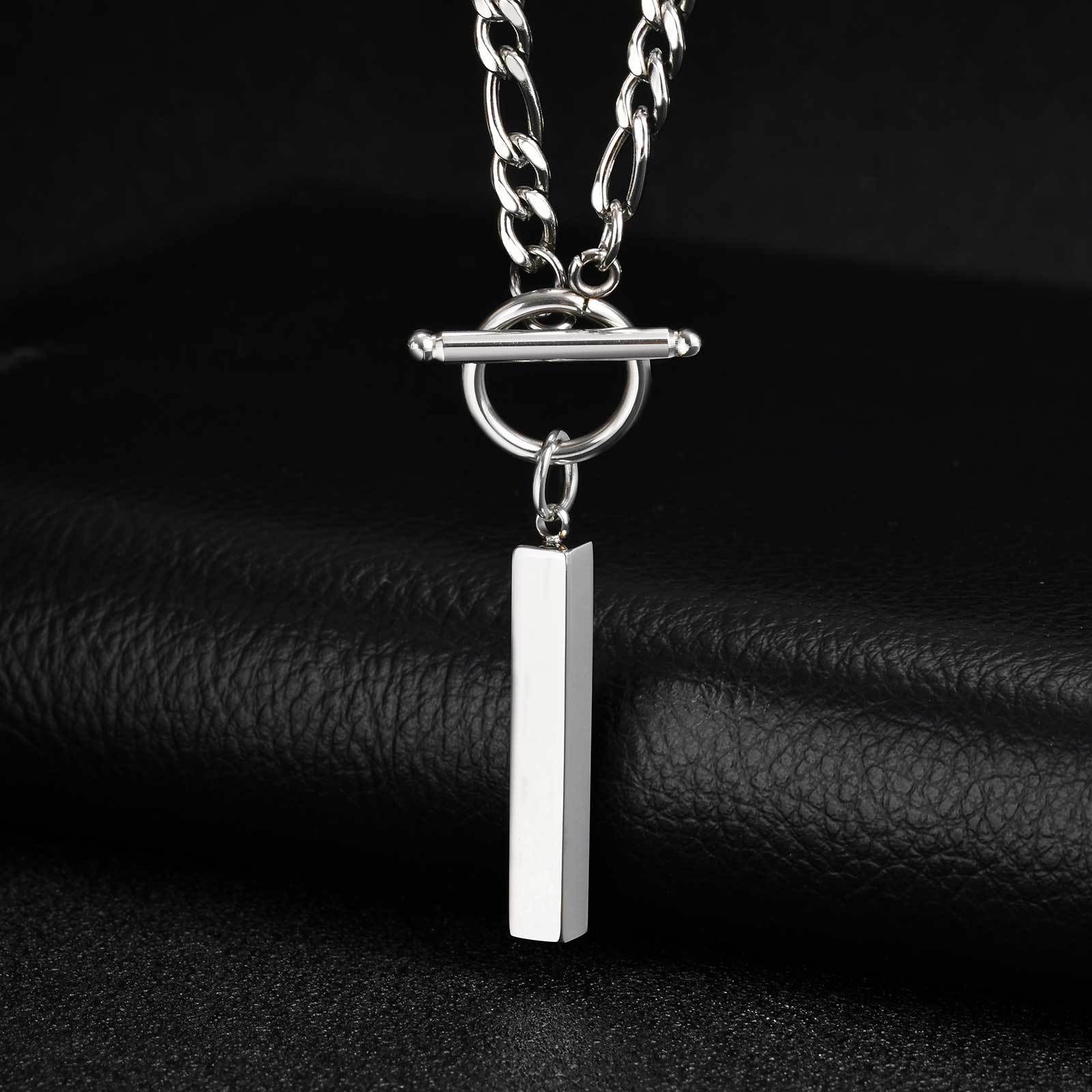
A retailer serving men or customers interested in unisex accessories could test:
• Stainless Steel Triquetra and Celtic Knot Ring for testing symbolic and Celtic-inspired designs
• Men’s Stainless Steel Bar Pendant Necklace for testing a simple everyday necklace
• Stainless Steel Chunky Link Chain Necklace for comparing a stronger statement style with a minimalist necklace
This selection could help compare:
• Rings and necklaces
• Symbolic and minimalist designs
• Everyday and statement jewelry
• Different customer price expectations
A retailer does not need to order all these examples. Choose products related to the same target customer and add other suitable styles according to the available budget.
What Should You Track During the Test?
Create a simple spreadsheet and record each product separately.
Useful information includes:
• Product name
• Category
• Color or finish
• Size or product option
• Product cost
• Shipping allocation
• Final landed cost
• Planned retail price
• Product page visits
• Customer questions
• Add-to-cart activity
• Number of sales
• Time required to make the first sale
• Return or exchange reasons
• Requests for other options
• Repeat customer interest
Sales are important, but they are not the only useful signal.
A product may receive many visits and questions but few completed orders. This could mean that customers like the design but need clearer information, a different option or a more suitable retail price.
How Long Should a Jewelry Test Run?
There is no universal testing period.
A store with regular traffic may collect useful information within two to four weeks. A new store with limited traffic may need more time.
Do not reject a product after only a few days if very few customers have seen it.
Before making a decision, confirm that:
• The product received reasonable exposure
• The product description was complete
• The photographs were clear
• The product was available in useful options
• The retail price included all costs
• The product was shown to the correct customer group
Try to give the products reasonably equal visibility. A product promoted repeatedly cannot be fairly compared with one that customers rarely see.
How to Decide What to Reorder
At the end of the test, divide products into three groups.
Reorder
Reorder products that:
• Sold without heavy discounting
• Received repeated customer interest
• Produced a suitable profit margin
• Received requests for restocking
• Sold across more than one customer order
Increase quantities gradually. You can also test related colors, sizes or designs after the original product shows demand.
Test Again
Some products may receive clicks, questions or add-to-cart activity without enough completed sales.
Before removing them, check:
• Is the retail price suitable?
• Does the description answer common questions?
• Are the available colors or sizes useful?
• Did enough customers see the product?
• Are shipping costs discouraging checkout?
• Do the photographs clearly show the product?
A product with meaningful interest may deserve a second test after its presentation is improved.
Replace
Replace products that receive little attention after adequate exposure.
Use the available budget to test a different:
• Product category
• Design theme
• Finish
• Color
• Price point
• Customer niche
Do not keep reordering a slow product simply because you personally like it.
Common Wholesale Jewelry Test-Order Mistakes
Ordering Too Many Similar Products
Ten nearly identical rings provide less useful information than a focused selection containing different design roles.
Mixing Unrelated Customers
A random combination of children’s jewelry, women’s fashion jewelry and heavy men’s chains makes the results difficult to understand.
Build every test around one main customer group.
Testing Too Many Variables at Once
If every product has a different customer, material, finish, category and price, it becomes difficult to understand why one product performed better.
Create meaningful differences while keeping the target customer consistent.
Ignoring Product Options
A product may perform poorly because an important color or size was unavailable. Record the exact option being tested instead of evaluating only the general design.
Judging Results Only by Sales
Customer questions, page visits, add-to-cart activity and requests for other options can reveal interest before a sale is completed.
Buying Too Much After One Sale
One sale does not prove long-term demand. Increase the quantity only after the product produces a more consistent pattern.
Forgetting the Final Cost
The product price is only one part of the total cost. Shipping, duties, local taxes, payment costs and packaging can all affect the final profit.
Using Low-MOQ Ordering for Product Tests
Low-MOQ wholesale ordering allows small retailers to test different products without purchasing large quantities of one unproven style.
For available ready-made products at JC Fashion Jewelry:
• The MOQ starts at one piece per style
• The minimum total mixed order is US$59
• Different available products can be combined in one order
• Most available products normally dispatch within one to three business days
• Delivery time is separate from dispatch time
• High-resolution product images are available for wholesale customers
Availability can change, so always check the current product page and selected options before completing an order.
You can also read our low-MOQ wholesale jewelry guide for small boutiques to learn more about mixed ordering.
Frequently Asked Questions
What is a wholesale jewelry test order?
It is a small mixed order used to compare different jewelry styles before purchasing larger quantities. Retailers track customer interest, sales and product questions to decide what to reorder.
How many jewelry styles should a boutique test?
There is no number that works for every boutique. Choose enough styles to create useful variety while staying within a safe budget. Two to four related product categories can be a practical starting structure, but the final number depends on product prices and available funds.
Can I order one piece of each style?
JC Fashion Jewelry allows buyers to start with one piece per style for available ready-made products. The total mixed order must reach US$59. Check individual product pages because the selling unit and options may differ.
Can different jewelry categories be combined?
Available earrings, rings, bracelets, pendants, necklaces and other products can be combined to reach the minimum mixed order amount.
Should I test different colors of the same product?
Testing colors can be useful when finish preference is important to your customers. However, do not spend the entire budget testing every color of one design. Balance color testing with different product types.
When should I place a larger reorder?
Place a larger reorder after a product shows repeated interest, completed sales and a sustainable profit margin. Increase quantities gradually instead of moving directly from one test piece to a large order.
Can I use the product images while testing online demand?
High-resolution product images are available for wholesale customers. They can help online retailers list and promote test products before arranging their own photography.
Start Small and Reorder With Evidence
A wholesale jewelry test order helps a small retailer protect cash flow while learning what customers actually want.
Begin with one target customer, choose products with different roles, order shallow quantities and record the results. Reorder products that show repeated demand, improve products that receive interest but do not convert, and replace products that receive little attention.
Testing cannot remove every business risk, but it provides better information than purchasing large quantities based only on personal taste or general trends.
- Company Info
- About Us
- Contact Us
- Blog
- Shipping
- Payment
- User Center
- Forget Password
- My Orders
- Tracking Order
- My Account
- Register
- Company Policies
- Terms of Use
- Returns & Refund Policy
- Privacy Policy
- FAQ